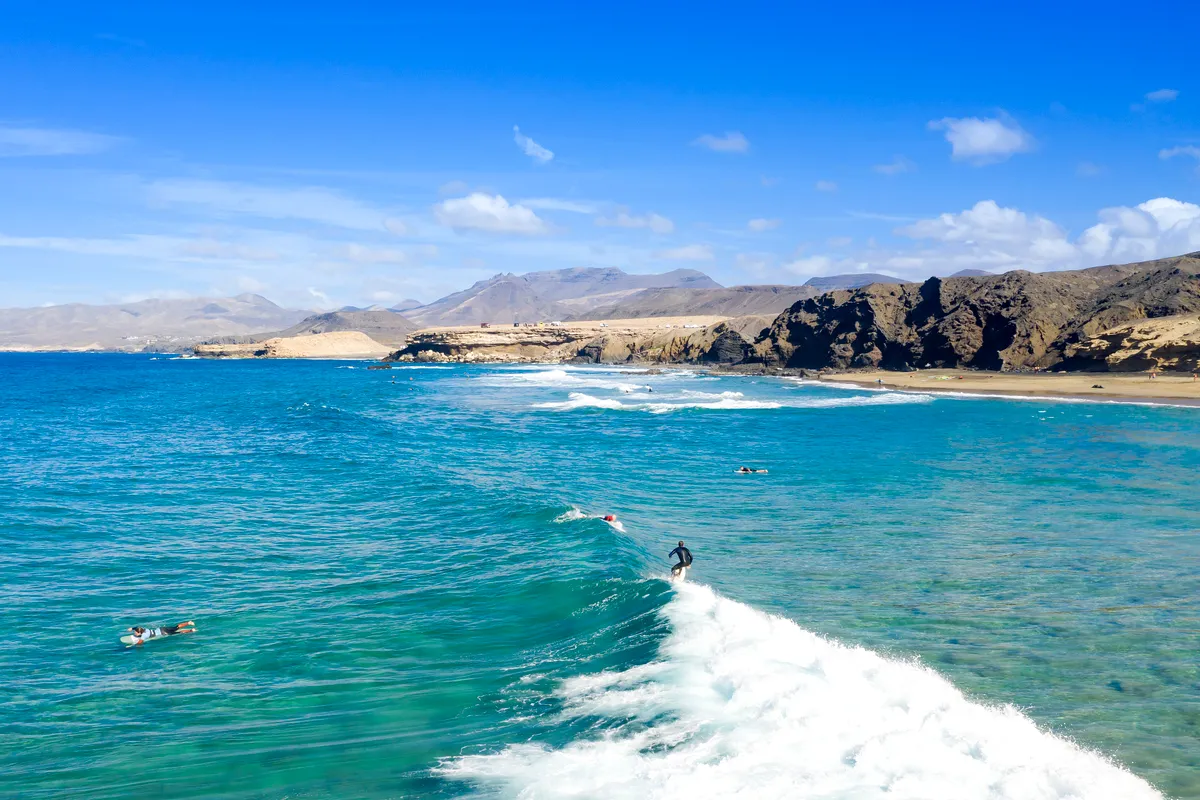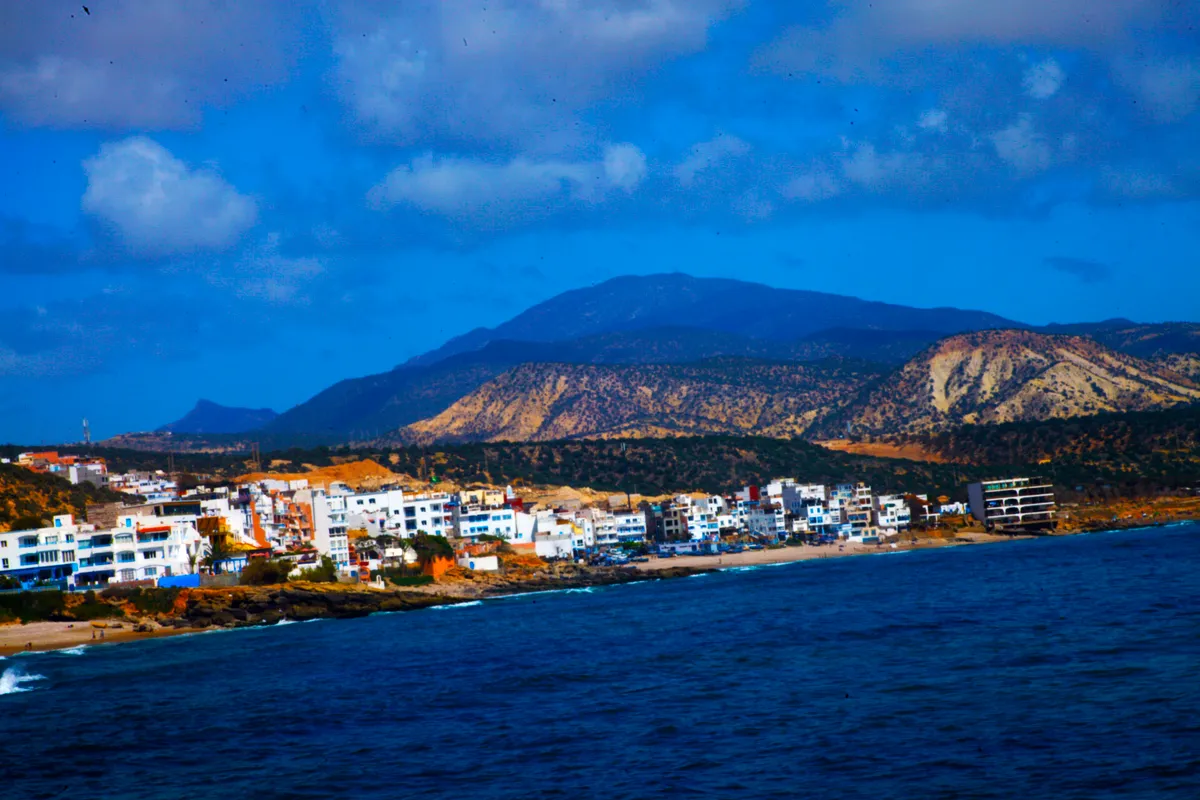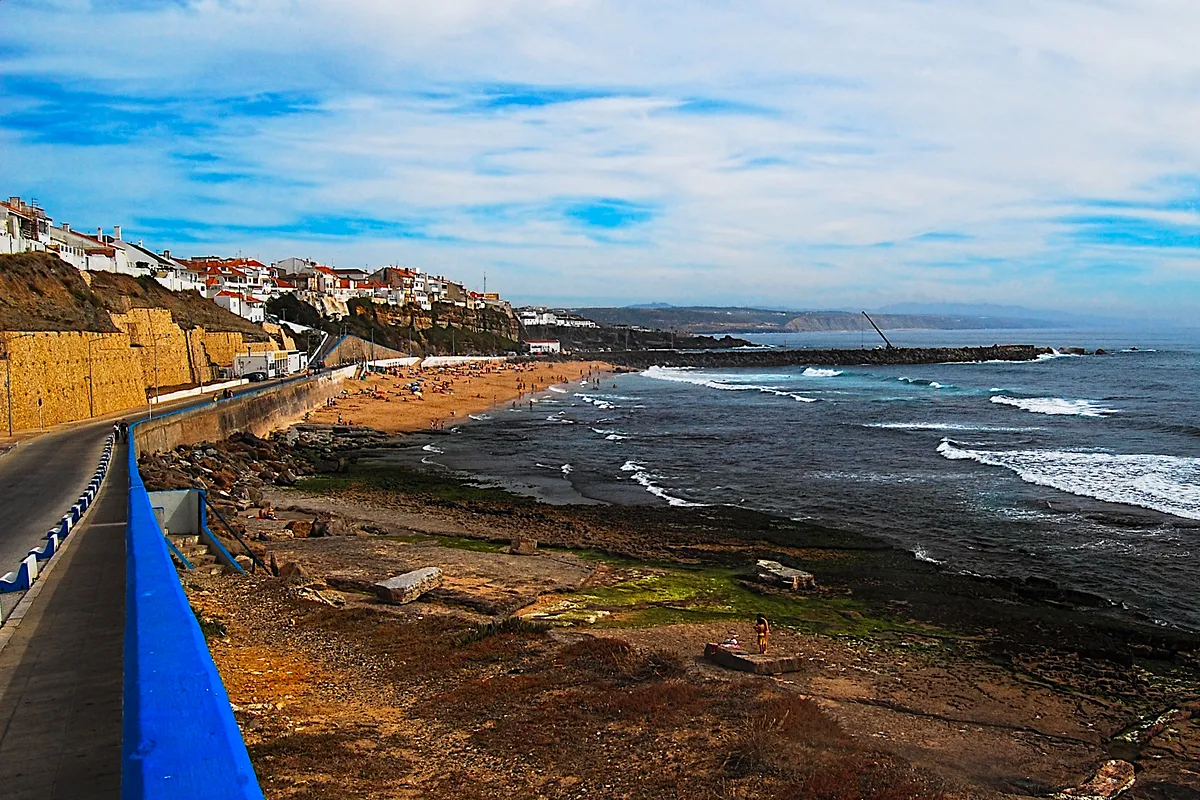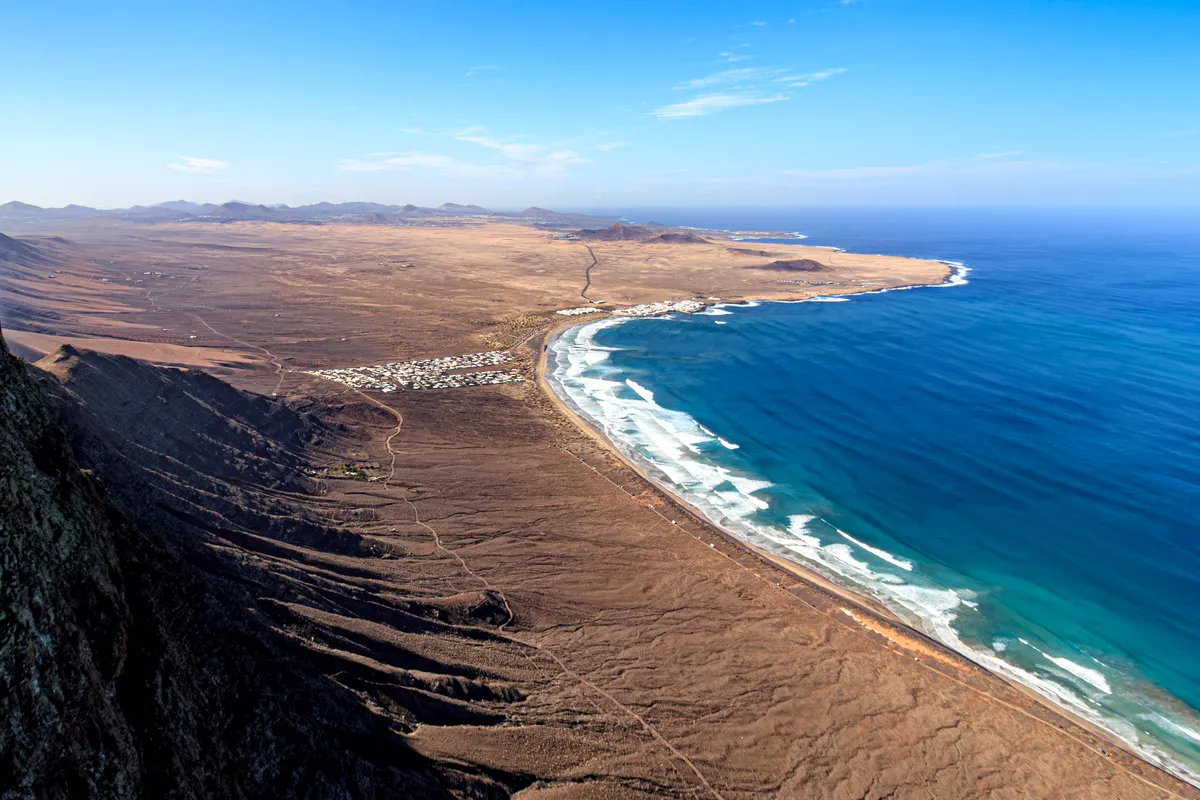
The breaks
Recognised, publicly known surf spots around Lanzarote. Suitability depends on the day's swell, wind and tide, so treat the level as a guide, not a guarantee.
| Break | Type | Best for | Notes |
|---|---|---|---|
| Famara | Beach break | Beginner–Intermediate | Long sandy beach below high cliffs, the island's main learning beach. Can become powerful on bigger days; windy in strong trades. |
| San Juan | Left-hand reef | Intermediate–Advanced | Reef break near Caleta de Famara that works on the right swell and tide. A step up from the beach. |
| El Quemao | Left-hand reef | Expert | Heavy, hollow left over shallow lava in La Santa. One of the most powerful waves in the Canaries. |
| La Santa Left & Right | Reef breaks | Advanced | Powerful lava reefs near La Santa village. Sharp rock and strong currents; booties essential. |
| Arrieta | Reef break | Intermediate–Advanced | North-east coast reef that can work when the north-west is too big or blown out. Inconsistent. |
Lanzarote surf climate, measured
Ten years of ocean model data for the open water off this coast: what the swell usually looks like before it reaches the beach. Shelter, sandbars and reefs change what you actually surf, so read this next to the month notes below.
| Month | Swell | Period | From | Wind | Water | Wetsuit | Days over 2.5 m |
|---|---|---|---|---|---|---|---|
| Jan | 1.9 m | 13 s | N | 24 km/h NE | 19°C | 2 mm shorty or spring suit | 25% |
| Feb | 2.2 m | 14 s | N | 24 km/h NE | 19°C | 2 mm shorty or spring suit | 33% |
| Mar | 2.3 m | 13 s | N | 25 km/h NE | 18°C | 3/2 mm full suit | 40% |
| Apr | 1.7 m | 12 s | N | 19 km/h N | 19°C | 2 mm shorty or spring suit | 13% |
| May | 1.6 m | 10 s | N | 24 km/h N | 20°C | 2 mm shorty or spring suit | 3% |
| Jun | 1.4 m | 9 s | N | 23 km/h N | 21°C | 2 mm shorty or spring suit | 0% |
| Jul | 1.6 m | 8 s | N | 27 km/h N | 21°C | 2 mm shorty or spring suit | 0% |
| Aug | 1.5 m | 8 s | N | 26 km/h N | 23°C | Rash vest or 1 mm top | 3% |
| Sep | 1.4 m | 9 s | N | 21 km/h NE | 23°C | Rash vest or 1 mm top | 0% |
| Oct | 1.6 m | 12 s | N | 19 km/h NE | 23°C | Rash vest or 1 mm top | 3% |
| Nov | 1.8 m | 12 s | N | 22 km/h NE | 22°C | Rash vest or 1 mm top | 18% |
| Dec | 2.0 m | 13 s | N | 24 km/h SE | 21°C | 2 mm shorty or spring suit | 30% |
Median values from ERA5 at a sea point near Lanzarote (29°N, 14°W), sampled 4 days a month at 12:00 UTC, 2015-2024. Highlighted months are our suggested planning window. Not a forecast or a safety assessment. How we use this data.
Book a surf trip to Lanzarote
Everything we can link you to for this trip, grouped by what you need. Before you pay a camp or school, read who holds your money, and check that your insurance covers surfing.
Where to stay
Search near the breaks. Filter for surf hostels, apartments or hotels once you can see the map.
Surf lessons and activities
Listings change by season, so check what the operator includes and who coaches.
Flights
Add your dates and check the board fee on every leg before you pay.
Car hire
Ask about roof racks and whether the insurance covers boards on the roof.
Airport transfer
Tell the driver you have a board and its length when you book.
Mobile data
Download a forecast app and offline maps before you land.
Flight delay claims
If a delay eats your first surf day, check whether you can claim.
Luggage storage
Useful between check-out and a late flight. Check the size limit before dropping a board.
Links marked as partner links may earn us commission at no cost to you; the rest earn us nothing. We have not checked live availability or price, and the seller's terms apply. How we handle this.
Cheapest months to fly to Lanzarote
Lowest return fare to ACE that Aviasales users found recently, in US dollars. Treat these as a guide to which months are cheaper, not as prices you can book today.
| From | Nov 26 | Dec 26 | Feb 27 | Mar 27 |
|---|---|---|---|---|
| London | $59 | $40 | $88 | $204 |
| Frankfurt | $197 | $236 | – | – |
Prices seen by 15 November 2026. Travelpayouts Data API. Board fees are extra on most airlines: see our surfboard baggage guide.
Why surf Lanzarote
Lanzarote is the most north-easterly of the Canary Islands, a volcanic island of black lava fields, white villages and dramatic cliffs. Its north and west coasts face the North Atlantic and receive consistent swells from October to March, while its subtropical climate brings sunshine and mild temperatures all year.
The island's surf is split between two worlds. Around La Santa, on the north-west coast, lava reefs produce powerful, hollow waves that attract experienced surfers from around Europe. Around Famara, a long sandy beach below towering cliffs offers beach-break peaks for all levels and a laid-back village with surf schools and camps. Lanzarote is smaller and generally less crowded than Fuerteventura, with a strong local surf community.
Famara
Playa de Famara is a long, curving beach in the north-west of the island, backed by dunes and the high Risco de Famara cliffs. It faces north-west and picks up most swells, with sandy peaks along its length. It is the main beach for lessons on the island and suits beginners and intermediates on small to medium days. On bigger days, it can become powerful with strong currents.
The village of Caleta de Famara, at the western end of the beach, has sandy streets, a small fishing harbour, surf shops, cafés and accommodation. It is quiet and relaxed, with a strong surf culture. Famara is also popular with kitesurfers and windsurfers when the trade winds blow.
San Juan and the reefs near Famara
Near Caleta de Famara, San Juan is a reef break that offers a left-hand wave on the right swell and tide. It is a step up from the beach and suits intermediate and advanced surfers. Other reefs near the village work on bigger swells and are best approached with local knowledge.
Because Famara faces north-west, it can be blown out by strong north-easterly trade winds. On those days, surfers check spots on other coasts or wait for the wind to ease in the morning.
La Santa and El Quemao
La Santa, a village on the north-west coast, is home to some of the heaviest waves in the Canary Islands. El Quemao is a powerful left-hand reef break in front of the village, known for thick, hollow barrels over shallow lava rock. It is only for very experienced surfers and has hosted international contests. Nearby, La Santa Left and La Santa Right are reef breaks that suit advanced surfers.
The area also has an island in a lagoon with reef breaks around it. Sharp lava, strong currents and shallow sections make booties essential and caution vital. Watch from the shore first and talk to local surfers.
The rest of the island
On the north-east coast, a few reef breaks near Arrieta and Jameos del Agua can work when the north-west coast is too big or blown out, though they are inconsistent. The south and east coasts, with resort towns such as Puerto del Carmen, Costa Teguise and Playa Blanca, are mostly sheltered from swell. Costa Teguise is better known for windsurfing.
Playa Blanca, in the south, has ferries to Corralejo on Fuerteventura, making it easy to surf both islands on one trip.
Picking a base around Lanzarote
Caleta de Famara is the most popular base for surfers, especially beginners and intermediates. It is small and quiet, with surf camps, apartments and a few restaurants. It is a good choice if you want to walk to the beach and enjoy a laid-back atmosphere.
La Santa is a small village close to the heavy reefs, with limited accommodation, suited to experienced surfers. Other surfers stay in resort towns such as Puerto del Carmen or Costa Teguise for more amenities and drive to the surf. A car is useful wherever you stay.
Reaching Lanzarote and moving between breaks
Lanzarote airport is near the capital, Arrecife, on the east coast, with flights from across Europe. Famara is about half an hour by road. Buses connect Arrecife with many towns, but services to Famara are limited, so a rental car is the most practical option. Many surf camps offer airport transfers.
Ferries run from Playa Blanca to Corralejo on Fuerteventura, and there are also ferries to Gran Canaria and Tenerife from Arrecife.
Flat days and a better week in Lanzarote
Check the swell and wind forecasts together. Famara works best with light winds or southerly offshores, while La Santa's reefs need the right swell direction and tide. Surf in the mornings when trade winds are often lighter.
On a flat or windy day, visit Timanfaya National Park, with its volcanic landscapes and geothermal demonstrations, or explore the work of the artist and architect César Manrique, whose designs are found across the island, including Jameos del Agua and the Mirador del Río viewpoint above the Chinijo archipelago. Visit the vineyards of La Geria, where vines grow in volcanic ash pits, or take a boat to the small island of La Graciosa.
Lanzarote surf season month by month
A broad planning picture, not a forecast. Swell, wind and water temperature vary from year to year.
| January | Peak winter season, with consistent swells and lighter winds. El Quemao and the reefs work regularly. Water around 18–19°C. |
|---|---|
| February | Excellent swell and mild weather. The coolest water of the year: a 3/2 wetsuit. |
| March | Consistent swells with trade winds starting to return late in the month. |
| April | Swells ease and winds increase. Famara offers small waves for learners on calmer mornings. |
| May | Smaller swells and stronger trade winds. Good for lessons when the wind allows. |
| June | Windy and small. Kitesurfing and windsurfing season; surf mainly in the mornings. |
| July | Trade winds dominate. Small surf; Famara can be good for beginners on calm days. |
| August | Windy, warm and busy. The warmest water is approaching; small waves for learners. |
| September | Winds ease and autumn swells begin. Water at its warmest, around 22–23°C. |
| October | The surf season starts, with consistent swells and warm water. Great for all levels. |
| November | Regular swells and pleasant weather. The reefs start to fire. |
| December | Winter swells and sunshine. Excellent for experienced surfers; busy holiday weeks. |
Learning to surf in Lanzarote
Famara is one of the best places in the Canary Islands to learn to surf, with a long sandy beach and many surf schools and camps in Caleta de Famara. Lessons usually take place on the beach's gentler sections, chosen according to the swell, wind and tide.
Surf camps often include accommodation, lessons, equipment and transport, and some offer yoga and other activities. Ask about group size, instructor qualifications and how the school deals with windy days. Because Famara can get strong currents on bigger days, a good school will choose carefully and teach ocean awareness.
Winter brings more consistent swell and lighter winds, while summer is windier but warmer. The reefs at La Santa are strictly for experienced surfers.
Comparing options across the country? Read our guide to surfing in Spain.
Seasonal notes on this page describe typical patterns, not the conditions on a given day. Use the local forecast, lifeguard advice and a qualified instructor for water-safety decisions, and get a written breakdown of what any surf package includes before paying.
Lanzarote surf trip questions
When is the best time to surf in Lanzarote?
October to March brings the most consistent swells and lighter winds. Summer is windier and smaller, better for kitesurfing and windsurfing.
Is Lanzarote good for beginners?
Yes. Famara's long sandy beach is a popular learning spot with many surf schools. The reefs at La Santa are for experienced surfers only.
What is El Quemao?
El Quemao is a heavy, hollow left-hand reef break in La Santa, on Lanzarote's north-west coast. It is one of the most powerful waves in the Canary Islands and only suitable for very experienced surfers.
What wetsuit do I need in Lanzarote?
A 3/2 wetsuit in winter and spring, and a shorty or 2mm suit in late summer. Reef booties are recommended on lava reefs.
Lanzarote or Fuerteventura for surfing?
Both have excellent winter surf. Lanzarote has Famara's long learning beach and heavy reefs at La Santa, with a quieter feel. Fuerteventura has more reefs on its North Shore and a busier surf scene in Corralejo. Ferries make it easy to visit both.
How do I get to Famara?
Famara is about half an hour by car from Lanzarote airport. Public transport is limited, so a rental car or surf camp transfer is the easiest option.
Is the surf in Lanzarote crowded?
Famara can be busy with surf schools, especially in winter and during holidays, but it is a long beach with room to spread out. The heavy reefs at La Santa have experienced local crews, so respect the line-up.
Do I need booties to surf in Lanzarote?
Not at Famara beach, but reef booties are strongly recommended at the lava reefs around La Santa, San Juan and the north-east coast, where the rock is sharp and entries can be tricky.
Sources & editorial notes
Destination context checked against the sources below. Base-selection and itinerary suggestions are Book & Surf editorial recommendations. Seasonal windows are broad planning suggestions, not measured forecasts or guarantees.
- Wikipedia: Lanzarote ↗
- Wikipedia: Timanfaya National Park ↗
- Wikipedia: César Manrique ↗
- AEMET: Spanish State Meteorological Agency ↗
We do not claim to have personally surfed every break. Read our editorial standards.