Find your kind of wave
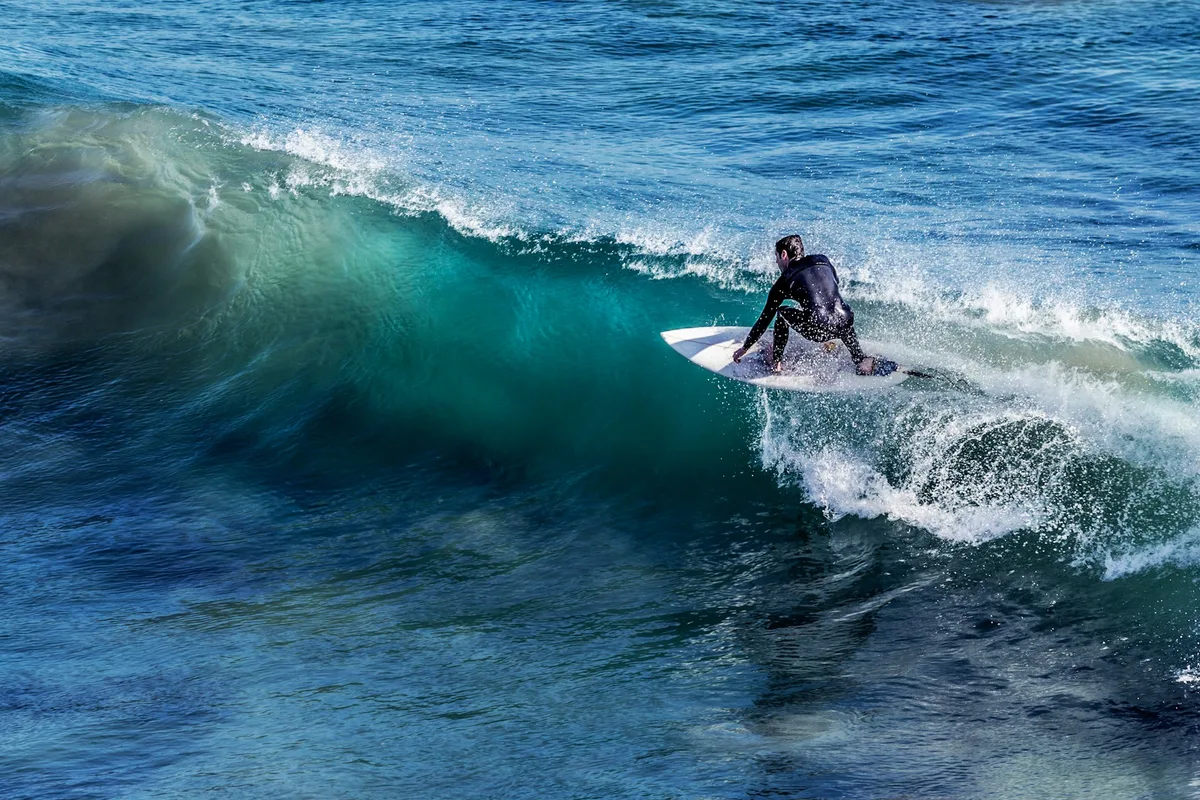
The area offers a mix of beach and point-break settings, but popularity means crowded water. Beginners should start with a school that chooses a suitable beach. Experienced surfers should watch how a lineup works before joining it and resist treating a mellow-looking wave as permission to take every set.
When to go
Tourism Australia notes that the best surfing conditions generally occur in winter. That means June to August here, not northern-hemisphere winter. Summer is a different proposition: a popular holiday period with warmer weather, more visitors and its own changing conditions.
Choose your base
Compare Ballina and Gold Coast arrivals using total journey cost, not just the fare. In town, walking or cycling can work for daily life, while exploring farther beaches requires more planning. Check storage for boards and whether your accommodation is genuinely close to the access you need.
Build a better surf week
Anchor the trip around one base instead of moving nightly. Have a lesson or orientation early, then work around the wind. Use a non-surf day for a coastal walk and give wildlife space. A rest day is part of a good surf trip, particularly after long-haul travel.
Before you book
Compare the whole trip: flights and board baggage, the final transfer, accommodation, equipment and lessons. Get a written breakdown of what a package includes. Check cancellation terms and ask how the operator handles days when conditions are unsuitable.
Use the local forecast, lifeguard advice and an experienced instructor to make water-safety decisions. Our planning window describes a travel idea, not the conditions you will find on a particular day.
Sources & editorial notes
Destination context checked against the sources below. Base-selection and itinerary suggestions are Book & Surf editorial recommendations. Seasonal windows are broad planning suggestions, not measured forecasts or guarantees.
We do not claim to have personally surfed every break. Read our editorial standards.